Saturday, October 24, 2026

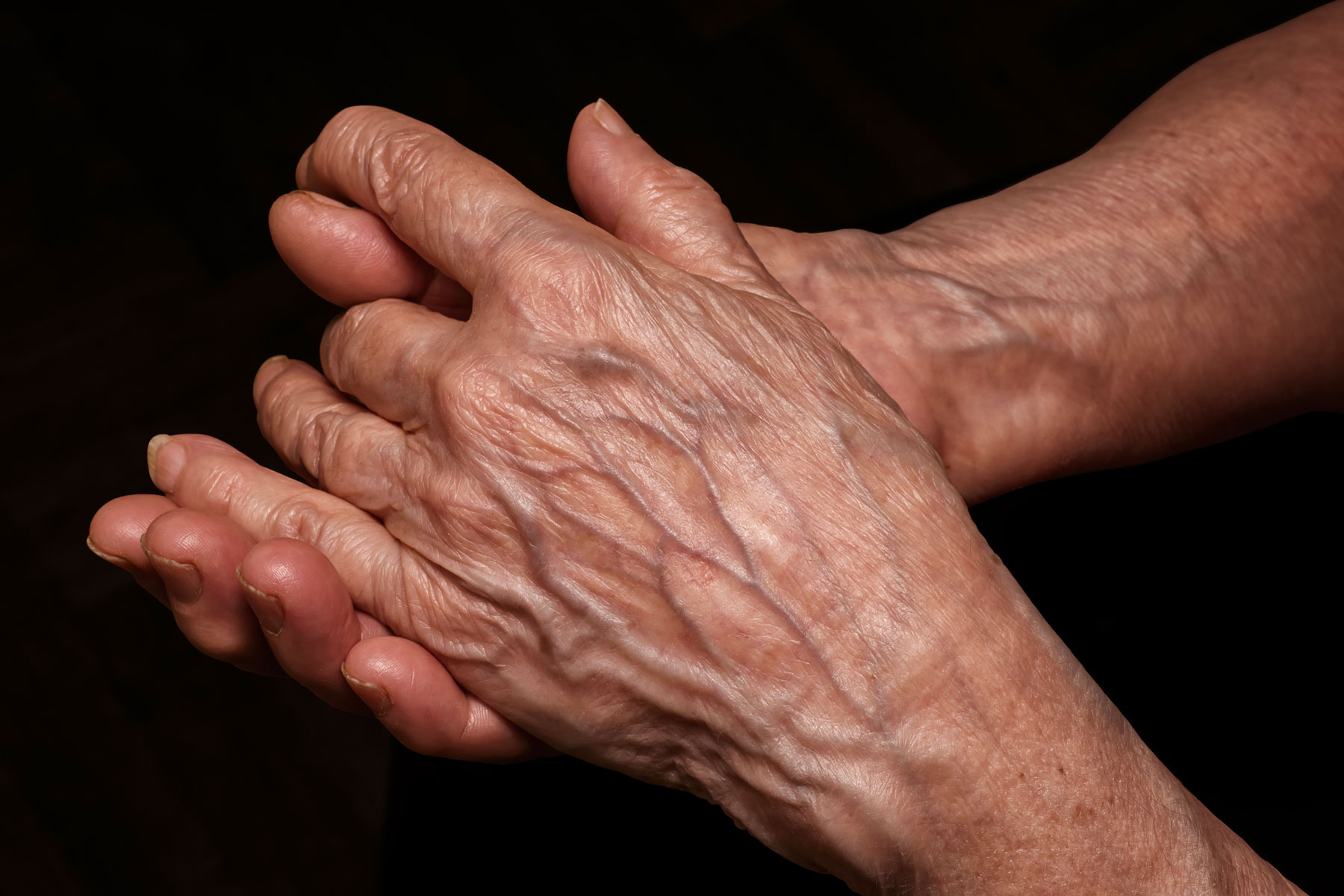
Why Are the Veins on Your Hands Suddenly So Visible? The Possible Reasons May Surprise You…

by

If You Have Visible Veins, What Does It Really Mean?

Have you ever noticed your veins becoming more visible and wondered why? For some people, veins seem to stand out clearly beneath the skin—especially on the arms, hands, or legs. While it might look surprising, this is actually quite common and often says more about your body than you might think.

First, one of the most common reasons for visible veins is low body fat. When there’s less fat beneath the skin, veins sit closer to the surface, making them easier to see. This is why athletes or people who work out regularly often have more prominent veins. It’s not something unusual—it’s simply how the body is structured.

Another factor is muscle mass. As muscles grow, they can push veins closer to the skin. Combined with lower body fat, this creates that “veiny” look many associate with fitness and strength.


Your skin tone and thickness also play a role. People with lighter or thinner skin may notice their veins more clearly, even if they don’t have a particularly low body fat percentage. It’s simply a matter of visibility, not necessarily health or fitness level.

Causes of Bulging Hand Veins & Treatment - Veins on Hands Removal Miami

 In some cases, temperature and activity can temporarily affect how visible your veins are. When you’re hot or exercising, your blood vessels expand to help regulate body temperature. This makes veins appear larger and more noticeable for a short time.Of course, while visible veins are usually harmless, there are exceptions. If veins suddenly become painful, swollen, or change color, it might be worth paying attention and seeking medical advice. But in most everyday situations, visible veins are simply a normal variation of the human body.

Hand Vein Treatment - Heart of Dixie Vein CenterIn short, if you have visible veins, it doesn’t point to just one thing—it could be your body fat level,


your muscle tone, your skin, or even just the temperature around you. More often than not, it’s a sign your body is functioning exactly as it should.


Justin Bieber admits that he tested positive for…See More

by

n 2014, pop star Justin Bieber faced legal trouble after being arrested in Miami for driving under the influence (DUI).

Following his arrest, Bieber admitted to police that he had consumed alcohol, smoked marijuana, and taken prescription medication prior to getting behind the wheel. Toxicology tests later confirmed the presence of marijuana and Xanax in his system.

The incident drew widespread media attention and marked a turbulent period in the singer’s career, highlighting concerns over his behavior and public image at the time.


Wrinkled Fingers After Water Exposure: What Your Skin May Be Telling You...seee more

by

Oh, my dear friend, this is such a fascinating question! You know, I was just washing dishes the other day after making my favorite 3-Ingredient Avocado & White Bean Smash, and I looked down at my hands and noticed those familiar little prune-like wrinkles.

At 73, living alone and being incredibly proactive about my health, I’ve learned to pay close attention to every little signal my body sends. Between keeping a watchful eye on my circulation, researching early warning signs, and trying to understand those sudden, unexplained purple blotches on my arms, I’ve become quite the amateur detective when it comes to my own skin!
For years, we were all taught that wrinkled fingers were just simple osmosis—that our skin was acting like a sponge, soaking up water and swelling. But modern science has revealed a much more fascinating, and frankly, more reassuring truth.
So, I put the kettle on, grabbed my favorite mug of warm ginger tea, and looked into the actual biology of this everyday phenomenon. Grab your favorite cozy sweater, and let’s uncover what your skin is really trying to tell you!

The “Kitchen Science” Reality: It’s Not a Sponge, It’s a Nervous System Response!

The old “sponge” theory has been officially debunked. Today, neurologists and dermatologists agree that pruney fingers are actually an active, involuntary response controlled by your autonomic nervous system.
When your hands are submerged in water for a certain period, your nervous system sends a signal to the blood vessels beneath your skin to constrict (a process called vasoconstriction). As these tiny blood vessels shrink, they pull the skin downward, creating those characteristic wrinkles.
Why did we evolve this way? Scientists believe it’s a brilliant evolutionary adaptation! Just like the treads on a car tire or the cleats on a hiking boot, those wrinkles act as rain channels. They allow our ancestors to maintain a firm grip on wet rocks, tools, or slippery objects. Your body is literally upgrading your hands for better traction!

What Your Skin is Telling You About Your HealthFor the vast majority of us, wrinkled fingers are a completely normal, healthy sign. In fact, it’s a good thing! It means your autonomic nervous system and your blood vessels are communicating perfectly and responding to environmental changes exactly as they should.

However, because I am deeply proactive about monitoring my circulation and vascular health, I’ve learned there are a few subtle cues to keep in mind:

 The Good News:

If your fingers wrinkle normally after 5 to 10 minutes in warm water, it is a strong indicator that your peripheral nerves and local blood flow are functioning properly.

 When to Pay Attention (The “Red Flags”):

While usually harmless, changes in how your skin reacts to water can sometimes be a gentle nudge from your body to check in with your doctor. You may want to mention it at your next appointment if:
  • Your fingers don’t wrinkle: Surprisingly, a lack of wrinkling can sometimes indicate peripheral neuropathy (nerve damage), which can be linked to vitamin deficiencies or blood sugar imbalances.
  • The wrinkling is accompanied by numbness, tingling, or pain: This could suggest that the nerves in your hands are irritated or compressed.
  • The skin takes an unusually long time to smooth back out: This might indicate localized circulation issues or severe dehydration.
  • You notice new, unexplained bruising or those purple blotches alongside the wrinkling, which we always want to have evaluated to ensure our vein walls and clotting factors are in top shape.
Disclaimer: I am a wellness enthusiast, not a doctor! If you have any concerns about your circulation, nerve health, or skin changes, always consult your healthcare provider for a proper evaluation.

The “Avocado Lover’s” 3-Ingredient Soothing Hand & Cuticle Balm

Since water exposure (especially hot water and harsh soaps) can strip the skin of its natural oils, leading to dryness and cracked cuticles, I always follow up my dishwashing or bathing with a deeply nourishing treatment.
Since I have a strong personal preference for avocados and incorporate them into almost every single meal (even though my children absolutely do not share my liking for them, which just means I get to enjoy the whole batch!), I keep a simple, heart-healthy balm on my nightstand.
Avocado oil is packed with Vitamin E and monounsaturated fats that deeply penetrate the skin barrier, lock in moisture, and support the health of the tiny capillaries right under the surface of your hands.

Ingredients You’ll Need:Ingredients You’ll Need:

  • 1 tablespoon pure, cold-pressed avocado oil: The ultimate circulation-supporting, skin-repairing hero.
  • 1 tablespoon unrefined coconut oil: Provides a protective, soothing layer that seals in the moisture.
  • 2 drops of pure lavender or chamomile essential oil (optional): Both are renowned for their calming, anti-inflammatory properties and gentle scent.

Step-by-Step Instructions:

1. The Gentle Warmth: Place the avocado oil and coconut oil in a small glass jar. Place the jar in a bowl of warm water for a few minutes until the coconut oil melts and the oils blend together beautifully.
2. The Calming Drop: Remove from the warm water, let it cool just slightly, and stir in the essential oil (if using).
3. The Soothing Application: After washing your hands or taking a bath, gently pat your skin dry (don’t rub!). While your skin is still slightly damp, massage a tiny amount of this balm into your hands, paying special attention to your cuticles and knuckles. It absorbs beautifully and leaves your hands feeling incredibly soft, protected, and nourished.

Pro Tips for Protecting Your Hands

  • Turn Down the Heat: I know a steaming hot shower or sink full of hot water feels wonderful on chilly evenings, but hot water strips away your skin’s natural protective oils much faster than lukewarm water.
  • Pat, Don’t Rub: When drying your hands, gently pat them with a soft towel. Rubbing can cause micro-tears in the delicate skin, especially as we get older.
  • Moisturize Immediately: The best time to apply lotion or oil is within 3 minutes of drying your hands, while the skin is still slightly damp, to trap that hydration inside.

Let’s Listen to Our Bodies with Grace!

I truly hope this little deep-dive into the science of wrinkled fingers brings you some peace of mind. It is so empowering to know the “why” behind our body’s everyday reactions. It helps us make calm, informed choices that protect our delicate skin and support our overall well-being.
By choosing gentle soaps, lukewarm water, and nourishing, natural ingredients from our own kitchens, we honor our bodies and keep things beautifully uncomplicated.
If you’ve ever wondered about another everyday bodily mystery, I would absolutely love to hear it! What’s a little health or household question that’s been on your mind lately? Drop a comment below to share your curiosity, and please share this article with a friend who appreciates a good, clean, healthy home.
Stay curious, stay gentle with your skin, and I’ll see you in the kitchen! 💚👐


THE SIN OF CREMATION according to the Bible says that...see more

by


 1. Cost Considerations

One of the primary reasons many families consider cremation is the overall cost. Traditional burial arrangements often involve several expenses, including a casket, burial plot, headstone, and various service fees. These elements can quickly add up, creating financial pressure during an already emotional time.

Cremation is often viewed as a more accessible option because it typically involves fewer expenses. This makes it a practical choice for families who want to honor their loved one while also managing their budget carefully. The lower cost does not reduce the importance of the moment. Instead, it allows families to focus on meaningful remembrance without added financial strain.

2. Greater Flexibility

Cremation allows families to plan memorial services in a way that fits their needs and schedules. Traditional funerals often follow a limited timeframe, which can feel rushed, especially when loved ones need time to travel or make arrangements.

With cremation, there is more freedom to choose when and how to hold a ceremony. Families can gather at a later date, organize a private event, or plan a memorial that reflects personal preferences. The ashes can be kept, scattered in a meaningful place, or incorporated into a tribute that honors the individual in a unique way.

This flexibility supports a more personalized experience, allowing families to create moments that feel thoughtful and appropriate for their situation.

3. Space and Environmental Considerations

As cities continue to grow, available cemetery space becomes more limited. This creates challenges for long-term planning, especially in densely populated areas. Cremation requires far less physical space, making it a practical alternative for many communities.

Some individuals also consider the impact on land use. Cremation reduces the need for large burial areas and ongoing maintenance. While it is not without environmental considerations, many people see it as a way to simplify long-term land use and reduce the physical footprint associated with traditional burial practices.

4. Modern Lifestyles and Mobility

Today, families are often spread across different cities or even different countries. Maintaining a gravesite can become difficult when loved ones are not located nearby. Travel, time, and distance can make regular visits challenging.

Cremation offers a level of portability that aligns with modern lifestyles. Ashes can be kept in a meaningful place, shared among family members, or transported if needed. This allows families to stay connected to their loved one in a way that fits their circumstances, regardless of location.

This adaptability supports a sense of closeness, even when physical distance is part of daily life.

5. Changing Beliefs and Traditions

Cultural and personal perspectives on end-of-life choices have evolved over time. Many people now view cremation as an accepted and meaningful option. For some, it aligns more closely with their personal beliefs about simplicity, remembrance, and the natural cycle of life.

Traditions continue to shift as individuals seek approaches that reflect their values. Cremation provides an option that can be adapted to different cultural, spiritual, or personal preferences. This openness allows families to make decisions that feel appropriate for their beliefs and experiences.6. Simplicity and Convenience

Planning a traditional funeral can involve many steps, from coordinating services to arranging logistics and managing details. During a time that is already emotionally challenging, this process can feel overwhelming.

Cremation often simplifies these arrangements. With fewer immediate requirements, families can take the time they need to focus on remembrance rather than organization. This can create space for reflection, support, and connection during a difficult period.

The simpler process allows attention to remain on honoring the life and memory of the person, rather than on managing complex arrangements.

Conclusion

The increasing interest in cremation reflects both practical needs and changing perspectives. Its affordability, flexibility, and simplicity make it a suitable option for many families navigating modern life.

At the same time, cremation allows for meaningful and personal ways to remember loved ones. Whether through a small gathering, a shared moment, or a lasting tribute, families can honor those they have lost in ways that feel sincere and appropriate.

As lifestyles and values continue to evolve, choices around remembrance also adapt. Cremation offers an approach that balances practicality with personal expression, helping families create moments of reflection and connection that remain meaningful over time.

er Longevity Secrets, and One Detail Stood Out

by

1. Lifestyle Factors of the World’s Oldest Person
Jeanne Calment’s routine combined active living, low stress, and unique dietary habits that defined her daily life.

Key Factors in Jeanne Calment’s Daily Life
Low Stress Lifestyle: Born into a wealthy family, Calment never experienced high-stress employment, allowing her to live a relaxed life free from heavy physical strain.

Daily Physical Activity: She remained exceptionally active throughout her life, riding a bicycle until age 100 and walking independently well into her supercentenarian years.

Olive Oil and Balanced Diet: She consumed a Mediterranean-style diet rich in olive oil, which she applied liberally to both her food and skin.


Positive Attitude and Humor: Known for her sharp wit and optimistic outlook, Calment attributed much of her longevity to remaining calm and avoiding worry.

2. Statistical Outliers vs. Evidence-Based Longevity
Evaluating supercentenarian anecdotes alongside modern clinical research clarifies why individual outliers do not replace broad health guidelines.

Longevity Factors Comparison Matrix
Factor Jeanne Calment’s Anecdotal Habits Evidence-Based Health Guidelines
Genetic Predisposition Rare Genetics: Exceptional cellular repair and DNA resistance to damage. Typical genetic background; highly susceptible to smoking and alcohol damage.
Smoking & Tobacco Use Smoked lightly for decades without developing fatal lung or heart disease. Leading cause of preventable death, significantly increasing cancer and cardiovascular risk.
Stress & Environment Exceptionally low lifelong stress, rich social life, and active leisure. Chronic stress accelerates cellular aging, inflammation, and chronic disease.
3. The Real Science Behind Extreme Longevity
Scientists studying supercentenarians point to biological mechanisms that enable rare individuals to reach extreme ages.

Key Drivers of Supercentenarian Health
Superior DNA Repair: Individuals who reach 110+ years often possess genetic variants that efficiently repair damaged DNA and combat cellular oxidative stress.


Cardiovascular Resilience: Rare biological resistance protects blood vessels from hardening, preserving heart and brain function over a century.

Caloric and Nutrient Balance: A diet focused on unrefined foods, healthy fats like olive oil, and moderation supports long-term metabolic health.Health, Legal, and Financial Considerations for Aging and Care

Understanding extreme longevity connects directly with healthcare access, estate planning, and long-term financial security.

Healthcare Access, Geriatrics, and Legal Rights
Managing senior care and long-term health relies on established medical and legal systems:


Healthcare Insurance & Medical Access: Maintaining comprehensive health and medical coverage guarantees access to specialized geriatric care, preventative screenings, and long-term nursing support.

Legal Protections & Estate Planning: Consulting an attorney or legal counselor protects elder rights regarding estate planning, wills, healthcare directives, and power of attorney.

Comprehensive Financial Management and Retirement Security
Planning for extended lifespans requires proactive financial management. Overseeing personal finance goals, refinancing a home mortgage, or securing a personal loan during retirement transitions maintains household stability. Furthermore, building investment portfolios, optimizing retirement savings, funding family education reserves, and holding life insurance policies guarantee complete multi-generational security.

Practical Tips for Healthy Aging
Prioritize Daily Movement: Engage in low-impact physical activities like walking, swimming, or cycling to maintain cardiovascular fitness and joint mobility.


Build Strong Social Connections: Staying connected with family, friends, and community groups dramatically reduces cognitive decline and psychological stress.

Eat Antioxidant-Rich Foods: Incorporate Mediterranean diet staples such as olive oil, nuts, leafy greens, and berries to combat inflammation.

Fascinating Facts About Jeanne Calment
Historical Encounters: As a teenager in 1888, Jeanne Calment met Vincent van Gogh in her hometown of Arles, France, describing him years later as “ugly and impolite.”

Late-Life Quitting: She officially quit smoking at age 117, primarily because deteriorating eyesight made it difficult to light cigarettes herself.


Unique Real Estate Deal: At age 90, she sold her apartment under a life estate agreement to a lawyer who agreed to pay her a monthly fee until her death; he passed away before she did.

Conclusion
Jeanne Calment’s record-breaking life to 122 remains a fascinating biological anomaly. While her smoking habit made headlines, her extreme longevity was ultimately driven by exceptional genetics, a low-stress lifestyle, Mediterranean nutrition, and lifelong physical activity.Frequently Asked Questions (FAQ)

Did Jeanne Calment really live to be 122 years old?
Yes. Official demographic research and historical records confirm Jeanne Calment lived to 122 years and 164 days, making her the oldest verified person in history.

What did doctors say was her main secret to living so long?
Researchers attribute her extreme longevity primarily to incredible genetics, an exceptionally low-stress life, active mobility, and an optimistic personality.


What Does a Blue Stop Sign Mean? 🔥👌 👇See the first comment👇💬

by


 What Does a Blue Stop Sign Mean? The Surprising Reason Some Stop Signs Aren’t Red

Most drivers are familiar with the classic red, octagonal STOP sign. But occasionally, people come across a blue stop sign and wonder whether it means something different.

The answer may surprise you: a blue stop sign generally isn’t an official public-road traffic sign in the United States.

Why Are Stop Signs Normally Red?


In the United States, official STOP signs are standardized under the Manual on Uniform Traffic Control Devices (MUTCD).

They have three recognizable features: an octagonal shape, a red background, and white lettering.

This consistent design helps drivers recognize the instruction immediately, even from a distance or in poor visibility.

So Why Would a Stop Sign Be Blue?


Blue stop signs sometimes appear on private property, in parking areas, at commercial facilities, or as decorative signs.

A property owner might install one to encourage drivers to stop at a particular location. In other cases, a blue sign may be a novelty item rather than a traffic-control device.

However, the color blue does not give a STOP sign a special, universally recognized meaning.

Are Blue Stop Signs Legal?


That depends on the location and applicable regulations.

On public roads in the United States, a blue STOP sign does not meet the standard color requirements for an official STOP sign.

On private property, different rules may apply, although local traffic laws and sign requirements can still be relevant.

A nonstandard sign should not be assumed to have the same legal status as an officially installed traffic sign.

What Should You Do If You See One?

If you encounter a blue octagonal sign displaying the word STOP, the safest response is to slow down, assess the surroundings, and stop when necessary to avoid danger or comply with applicable rules.Do not assume that an unusual sign means you can ignore pedestrians, vehicles, or other hazards.

The Bottom Line


Blue stop signs may look unusual, but they don’t represent a new universal traffic rule.

In the United States, the standard official STOP sign is red. A blue one is generally a nonstandard sign, often found in private or decorative settings.

The important thing is not simply the color of the sign, but understanding the traffic rules and staying alert to the conditions around you

The search for Raisa ends, after 2 months she was found all… See more

by

 I found a recent online post claiming that a missing woman named Raisa was found safe after nearly two months, but I could not independently verify the identity or circumstances from a reliable news source. ([DecoRafit][1]) To avoid inventing details, the article below treats the story cautiously and focuses on the broader human significance of a long missing-person search.


# The Search for Raisa Ends: After Two Months, She Was Found Safe


For nearly two months, one question remained at the center of a family's life: **Where is Raisa?**


Her disappearance turned ordinary days into an agonizing wait. Every phone call could have brought news. Every unfamiliar face could have carried a clue. Every passing day seemed to make the uncertainty harder to bear.


Then came the news her loved ones had been hoping for—the search had finally ended, and Raisa had been found alive.


For families of missing people, there are few experiences more painful than not knowing what has happened to someone they love. Unlike a confirmed tragedy, disappearance leaves the door to hope open while creating an enormous emotional burden. Families may spend weeks or months searching, contacting authorities, sharing photographs, speaking to the public and following every possible lead.


The reported discovery of Raisa therefore represents more than the conclusion of a search. It is a reminder of the extraordinary emotional journey that families endure when someone suddenly disappears.


## Two Months of Uncertainty


When someone goes missing, time takes on a different meaning.


The first hours can be filled with frantic questions. Family members may call friends and relatives, check familiar places and try to reconstruct the person's last known movements.


As the hours become days, concern can become fear.


After weeks, the uncertainty can become exhausting.


A disappearance affects much more than the missing person. Parents, siblings, partners, children, friends and colleagues can all become part of the search. Everyday responsibilities continue, but ordinary life can feel impossible.


Meals, work, sleep and social activities may all become secondary to one overwhelming objective: finding the missing person.


For Raisa's loved ones, the reported two-month search would have meant countless moments of uncertainty. The inability to know where she was or whether she was safe would have made every day difficult.


That is why the news that she had been found brought such enormous relief.


## The Moment Everything Changed


After weeks of searching, the discovery of a missing person can transform an atmosphere of fear almost instantly.


One moment, a family is asking questions without answers.


The next, they finally know that their loved one has been located.


The emotional response can be complicated. Relief is usually the first feeling, but it may be accompanied by shock, exhaustion, confusion or even anger over everything that happened during the disappearance.


Finding someone is not necessarily the end of the emotional journey.


In many cases, families need time to understand what happened and to reconnect with the person who has returned. The missing person may also need support after experiencing circumstances that are not immediately known to the public.


For this reason, news about a missing person's return should be handled with care.


The most important fact is that the person has been found.


The details should come only from reliable sources and, where appropriate, from the family or authorities.


## Why Missing-Person Cases Capture Public Attention


Stories involving missing people often attract enormous public interest.


Part of the reason is simple: people can imagine themselves or someone they love in the same situation.


A photograph of a missing person can turn an unfamiliar individual into someone the public feels connected to. People may share posts on social media, forward information to friends and look carefully at photographs in the hope that they might recognize something.


Modern technology has made this process faster.


A missing-person notice can reach thousands or even millions of people within hours. A photograph can travel across cities and countries almost instantly.


That visibility can be extremely valuable when information reaches someone who has seen the missing person.


At the same time, social media can create problems when unverified claims are shared as facts.


Rumors can spread quickly, and speculation can interfere with legitimate investigations or cause additional distress to families.


The story of Raisa is therefore also a reminder that public attention should be combined with responsibility.


## The Importance of Reliable Information


When a person disappears, people naturally want answers immediately.


But not every claim circulating online is accurate.


A social-media post may contain incomplete information. Another post may repeat something that was never officially confirmed. A photograph may be old, a location may be wrong, or a rumor may be presented as fact.


That is why information about missing-person cases should ideally come from law enforcement, the family, reputable news organizations or other verified sources.


In Raisa's case, reports available online say that she was found after nearly two months, but publicly accessible information about the circumstances remains limited. ([DecoRafit][1])


That uncertainty makes it especially important not to fill the gaps with speculation.


There is a difference between reporting that someone has been found and inventing a story about where the person was, what happened to them or who may have been involved.


Responsible reporting respects that difference.


## A Family Finally Gets to Breathe


For the family of a missing person, the return of their loved one can be difficult to describe.


For weeks, they may have lived with the possibility of receiving terrible news.


Instead, they received something different: confirmation that Raisa had been found.


The relief can be overwhelming.


A family that has spent weeks searching may finally be able to sit together without asking where their loved one is. A phone that was previously a source of anxiety can become a source of reassurance. A photograph that was used in missing-person appeals can become a reminder of the person who has returned.


These moments matter.


Behind every missing-person story is a group of people whose lives have been interrupted.


The public may see a headline, photograph or social-media post. The family experiences every hour of the disappearance.


That is why the end of the search can carry such profound emotional significance.


## What Happens After Someone Is Found?


The public often focuses on the search itself and the moment a missing person is located.


But what happens afterward can be equally important.


A person who has been missing may need medical attention, emotional support or simply time to return to familiar surroundings.


Families may also need support.


They may have spent weeks living under extraordinary stress. Even after their loved one returns, the emotional effects of that experience do not necessarily disappear immediately.


The family may have many unanswered questions.


They may want to understand what happened. They may need to work with authorities. They may need privacy.


In these circumstances, compassion is more useful than curiosity.


The public does not necessarily need to know every detail of a person's experience.


Sometimes the most respectful response is simply to be grateful that the person has been found and allow the family the space to recover.


## A Reminder About Missing People Everywhere


Raisa's reported safe return is also an opportunity to remember the many other missing-person cases that do not receive the same level of attention.


Every missing-person case represents someone's loved one.


Behind a missing-person poster is a family waiting for answers.


Behind a social-media appeal is usually someone who has spent hours trying to bring a loved one home.


Some cases are resolved quickly. Others remain open for months or years.


The emotional impact can be enormous.


That is why awareness matters. When appropriate and verified information is shared, members of the public can sometimes provide valuable assistance. A person who recognizes a face or remembers seeing someone in a particular place may provide a crucial lead.


But public involvement should always be guided by reliable information and official instructions.


## Hope Can Survive a Long Search


One of the most powerful aspects of missing-person cases is the role of hope.


Two months is a long time to live with uncertainty.


Yet families often continue searching because giving up can feel impossible.


The reported outcome of Raisa's case demonstrates why hope can matter. Her loved ones continued waiting for an answer, and eventually they received news that ended the uncertainty.


Her story is a reminder that a disappearance does not automatically have a predetermined ending.


Every case is different, and nobody should make assumptions about another missing person's circumstances. But families deserve support, accurate information and a serious effort to locate their loved ones.


## More Than a Headline


It is easy to read a headline saying that a missing person has been found and then move on to the next story.


But for the family involved, those words can represent weeks of fear, thousands of questions and countless sleepless nights.


"The search is over" may be only a few words.


For a family, however, those words can mean the return of hope.


The reported discovery of Raisa after nearly two months therefore stands as a deeply emotional moment for those who had been waiting for her return. ([DecoRafit][1])


At the same time, the limited verified information surrounding the case is a reminder that stories involving missing people should be treated with sensitivity. Speculation can cause harm, while accurate information can help.


The most important part of this story is simple:


**Raisa was reportedly found after a long search.**


After weeks of uncertainty, her loved ones finally had an answer.


And for anyone who has ever waited for a missing family member or friend to come home, that answer is perhaps the one thing that matters most.


If you have a **specific Raisa case, news article, country, or full name** in mind, send it to me and I can produce a much more detailed 1,500-word article based on the verified facts of that case.


[1]: https://decorafit.com/?utm_source=chatgpt.com "DecoRafit"


There is an artificial lake in our village. While walking past it, I noticed these strange crater-like holes in the water, each containing what looked like eggs. I stood by the lake for quite a while, watching them and trying to figure out what animal they might belong to, but I couldn’t come up with an answer. Does anyone know whose eggs these are? Check the first comment for the answer

by

There is a small man-made lake near our village that has always carried an air of mystery.

The lake sits quietly among towering trees that shield it from much of the outside world.

Even during the busiest seasons, very few people visit its shores.

The stillness of the area gives it a peaceful and almost magical atmosphere.


On sunny days, the water becomes so calm that it reflects the sky like a giant mirror.

The surrounding trees seem to float upside down on the surface.

The scene often feels more like a painting than a real place.

Many locals enjoy walking nearby because of the lake’s quiet beauty.


Others avoid it because they believe the area feels strangely isolated.

Over the years, countless stories have circulated about unusual things hidden beneath its waters.

Most of those stories were dismissed as local legends.

I never paid much attention to them.


That changed during a walk I took one clear afternoon.

The weather was perfect.

A gentle breeze moved through the trees.

The sunlight filtered through the branches and danced across the water.


Everything seemed completely ordinary.

Then something unusual caught my eye.

Near the edge of the shoreline, beneath the crystal-clear water, I noticed several strange objects.

At first, I assumed they were ordinary stones.


The longer I looked, the less convinced I became.

The objects appeared surprisingly uniform.

Each one seemed almost perfectly round.

They were clustered together in several small groups.


The arrangement looked too organized to be natural.

Curiosity immediately replaced my peaceful mood.

I stepped closer to get a better look.

The water was unusually clear that day.


I could see the bottom with remarkable detail.

The mysterious objects stood out against the sandy lakebed.

They looked completely different from everything around them.

The sight raised countless questions.

Why were they there?

How long had they been there?

Who had placed them in the lake?

Or had nature somehow created them?


The more I stared, the more fascinated I became.

Their appearance seemed almost artificial.

From a distance, they resembled smooth spheres.

Some appeared larger than others.


Others seemed partially buried beneath layers of sediment.

The mystery only deepened.

The peaceful silence surrounding the lake made the scene even more intriguing.

No one else was nearby.


There were no fishermen.

No hikers.

No signs of recent activity.

Just me and the strange collection of objects beneath the water.


My imagination quickly began creating explanations.

Perhaps they were remnants of an old construction project.

Maybe they had fallen from a vehicle years ago.

They could have been part of some forgotten equipment.


Every possibility seemed equally plausible.

And equally unlikely.

I continued walking along the shoreline while keeping my eyes fixed on the clusters.

The objects appeared in several different locations.


Each group seemed separated from the others by several feet.

That detail made the mystery even stranger.

If they were simply discarded debris, why were they arranged this way?

The organized pattern suggested a purpose.


Yet no obvious explanation came to mind.

I crouched near the water’s edge.

The sunlight illuminated the lakebed perfectly.

The objects became easier to see.


Their surfaces appeared smooth.

Their shape remained consistently round.

They looked almost identical.

At that moment, I realized I wasn’t looking at ordinary rocks.


Something about them felt different.

The discovery transformed a simple afternoon walk into a puzzle.

I considered entering the water for a closer look.

The temptation was strong.


Still, I hesitated.

The lake bottom could be slippery.

The water, despite its calm appearance, was deeper than it seemed.

Instead, I decided to continue observing from the shore.

Sometimes patience reveals more than action.

For several minutes, I studied the strange formations.

The longer I watched, the more unusual they appeared.

The clusters seemed carefully positioned.


Their arrangement looked deliberate.

Nature rarely creates perfect patterns.

Yet here they were.

Dozens of nearly identical shapes resting beneath the surface.


The scene felt almost surreal.

The mystery grew larger with every passing minute.

What initially seemed like a minor curiosity had become impossible to ignore.

I found myself imagining countless scenarios.


Perhaps they were ancient artifacts.

Perhaps they were rare natural formations.

Perhaps they were something nobody had ever noticed before.

The possibilities seemed endless.


The lake remained silent.

The water barely moved.

The strange objects waited beneath the surface like hidden clues.

Each unanswered question increased my determination to learn the truth.


I knew one thing with certainty.

The objects were not what they appeared to be at first glance.

There was a story beneath that water.

A story waiting to be uncovered.


And as the afternoon sun slowly drifted lower in the sky, I realized that the true explanation would prove far more surprising than any theory I had imagined.

**What seemed like an ordinary discovery was about to reveal a secret hidden in plain sight.**

**The closer examination would completely change the way these mysterious objects were viewed.**

**And the truth beneath the water was far different from what anyone expected.**